guides
PSP batching optimisationdaily settlements ecommerceimprove cash flow paymentspayment settlement speedbatching schedule optimisationfaster merchant payoutspayment performance
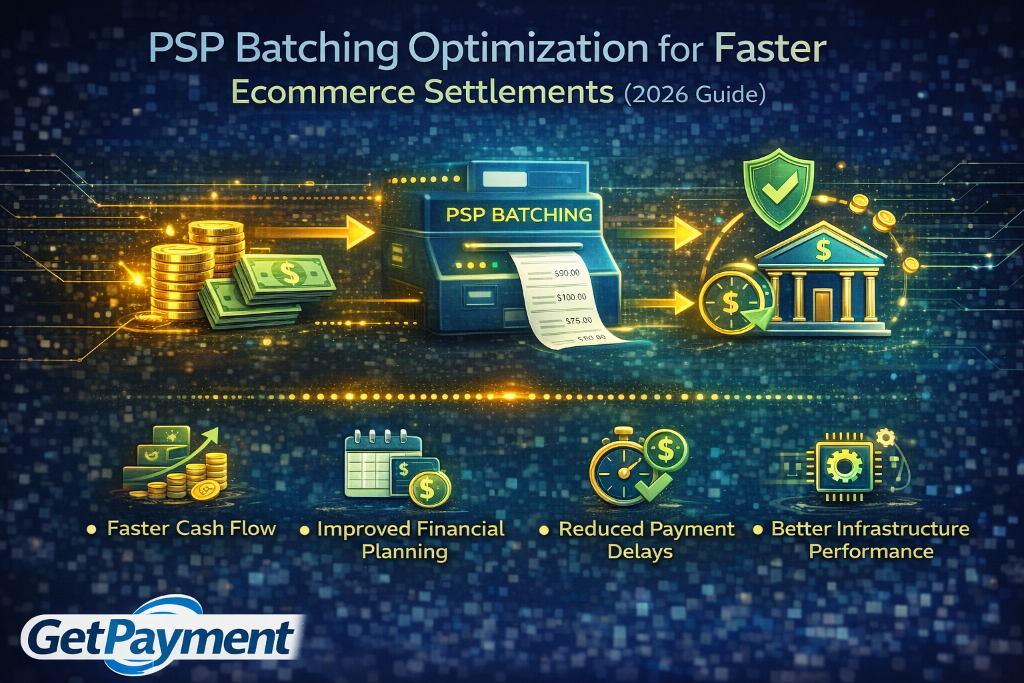 Learn how PSP batching optimisation improves daily settlements, cash flow, and payment performance for ecommerce and high-volume businesses.
✓ Stripe shutdown?
✓ High-risk industry?
✓ Declined payments?
Get approved today.
Apply NowMost ecommerce businesses focus on getting payments approved.
Settlement speed directly impacts your cash flow, operational stability, and ability to scale.
Most ecommerce businesses focus on getting payments approved.
But what happens after approval is just as important.
Settlement speed directly impacts your cash flow, operational stability, and ability to scale.
If your funds are delayed, your business slows down. Ads, inventory, and growth all depend on consistent cash flow.
This is where PSP batching optimisation for daily settlements becomes critical. It ensures your payments are processed and settled efficiently, giving you faster access to your revenue.
PSP batching refers to the process of grouping approved transactions together and submitting them for settlement at specific intervals.
Instead of settling each transaction individually, payment service providers collect transactions into batches and send them to acquiring banks for processing.
Once the batch is submitted, funds begin moving through the settlement process and eventually reach your merchant account.
Batching is a standard part of payment processing, but how it is configured can significantly impact your business.
The timing and structure of your batches determine how quickly you receive your funds.
If batches are delayed or misaligned, settlements are delayed as well.
This can result in:
Optimising batching ensures your transactions are settled as quickly and efficiently as possible.
When a transaction is approved, it does not immediately land in your bank account.
Instead, it goes through several steps:
Batching is the bridge between authorization and settlement.
If that bridge is inefficient, everything slows down.
Cash flow is the lifeblood of any ecommerce business.
Faster settlements allow you to:
Even small improvements in settlement timing can have a significant impact at scale.
Many businesses experience delays because their batching setup is not optimised.
Common issues include:
These issues can delay settlements by an entire day or more.
At scale, those delays add up quickly.
Batching optimisation focuses on aligning your transaction flow with the fastest possible settlement timeline.
Key improvements include:
The goal is to move transactions through the system as quickly as possible.
Time zones play a major role in batching and settlement.
If your business operates globally, mismatched time zones can delay batch submission.
For example:
Optimising for time zones ensures your batches are submitted at the right time for faster processing.
If you are using multiple acquirers, batching becomes more complex but also more powerful.
Each acquirer may have:
Optimising batching across multiple acquirers allows you to:
This creates a more efficient payment system.
Batching also impacts how transactions are reviewed and settled.
Poor batching practices can increase the likelihood of:
Optimised batching creates cleaner, more consistent transaction flows, which can reduce friction in the settlement process.
At low volume, settlement delays may not seem significant.
At high volume, they become a major issue.
If you are processing large amounts daily, even a one-day delay can:
Batching optimisation ensures your cash flow keeps up with your growth.
To optimise effectively, you need visibility into your payment system.
You should track:
With this data, you can identify inefficiencies and continuously improve your setup.
Many businesses overlook batching completely.
Common mistakes include:
These mistakes can quietly slow down your entire business.
At GetPayment, we help businesses optimise their payment systems for both performance and cash flow.
We help you:
Our goal is to ensure you get paid as quickly and reliably as possible.
Your ability to scale is directly tied to your ability to access your revenue.
PSP batching optimisation is one of the most overlooked ways to improve cash flow and operational efficiency.
By optimising how and when your transactions are batched, you can:
It is not just about getting paid. It is about getting paid faster.
If you want to improve your settlement speed, optimise your cash flow, and build a payment system that supports your growth, GetPayment can help.
Apply today to optimise your PSP batching and take control of your daily settlements.
Tags

Head of Payment Strategy
GetPayment Inc
Jane Harold is a payment strategy expert with 12+ years of experience in high-volume ecommerce payments, merchant account management, and checkout optimization. She has helped hundreds of US ecommerce brands improve authorization rates, reduce processing costs, and scale payment infrastructure.
Payment Strategy Expert
12+ years in industry
Certified Payment Specialist
PCI DSS Level 1 compliance
Merchant Account Advisor
500+ merchants advised
Industry Speaker
Ecommerce & payment conferences
Have questions about payment processing? Reach out to Jane directly.
Years Experience
Merchants Helped
Bank Partners
Satisfaction Rate
GetPayment helps ecommerce merchants increase approval rates with smart routing and high-risk-friendly processors.
High-risk friendly
Multiple processors
Global coverage
See exactly how much you're overpaying in processing fees. Our experts analyze your statement and show you potential savings.
Request Free AuditExplore the complete guide for this topic with deeper insights and strategies.
View Guide →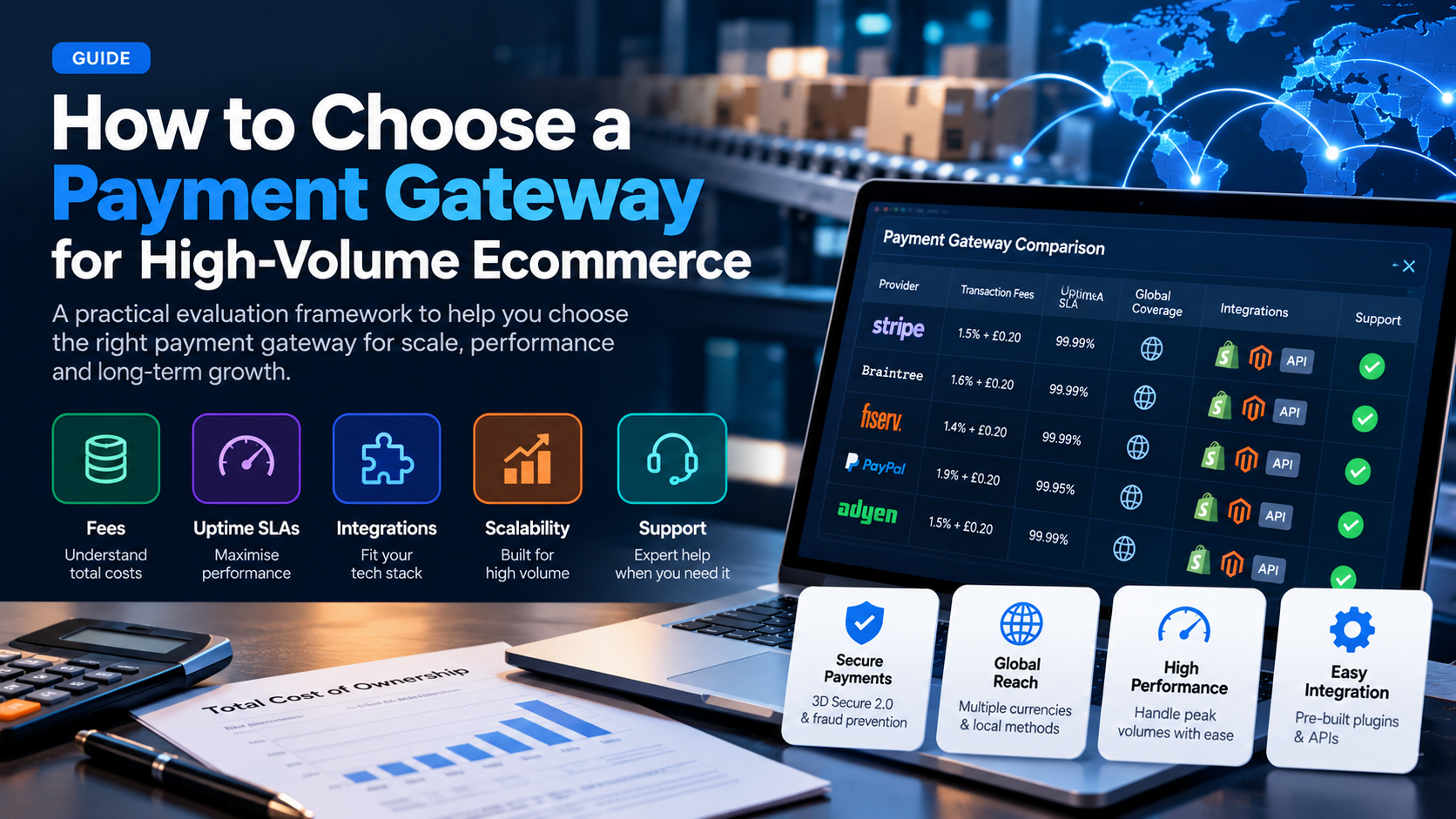
A practical framework for evaluating payment gateways when you process $50k+ per month: fees, uptime, integrations, scalability, and support.
Read More →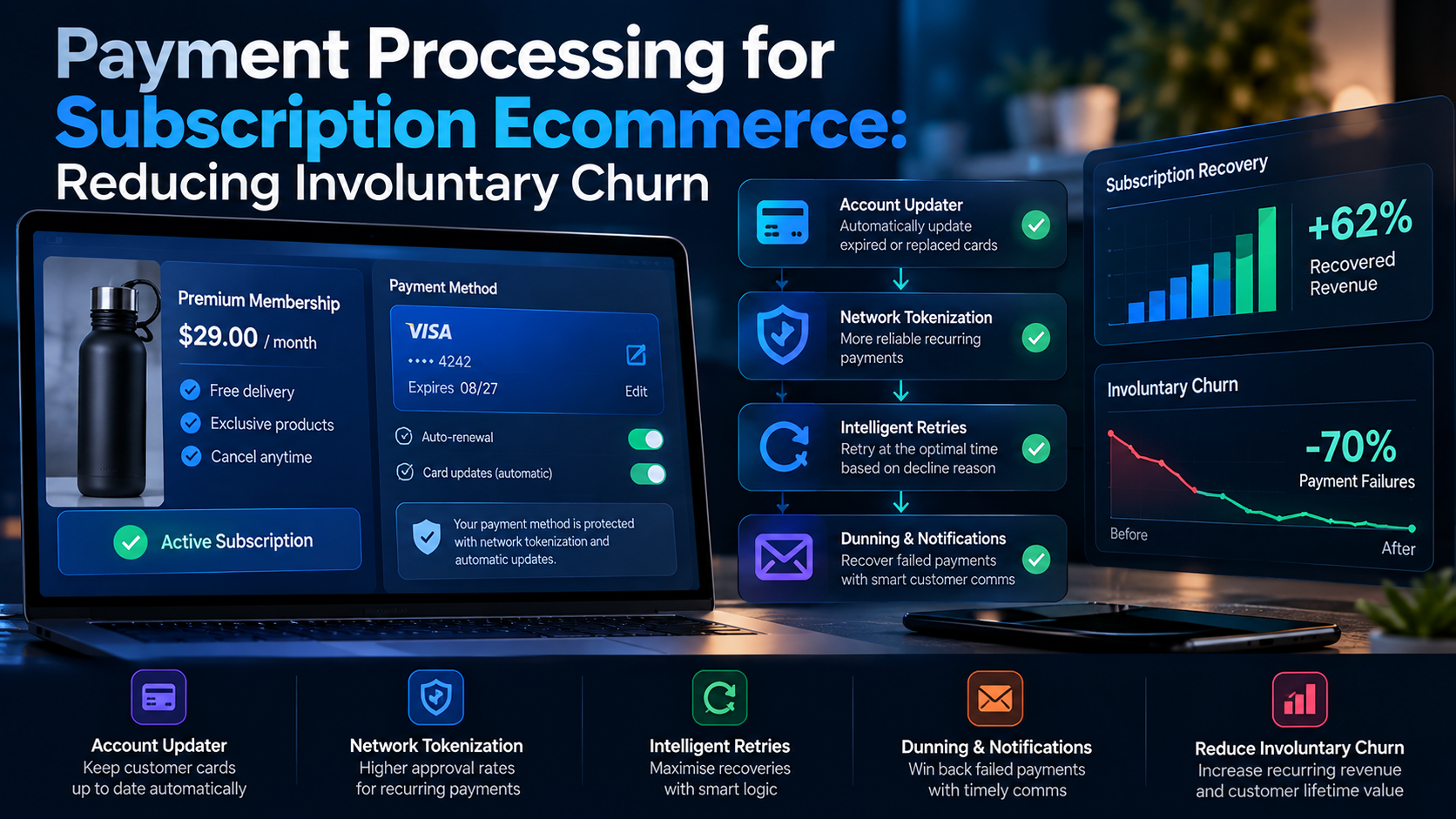
Involuntary churn from failed payments costs subscription businesses 20-40% of revenue. Here is how to fix declined cards, update expired cards, and retain subscribers.
Read More →