payment processing
improve ecommerce authorisation ratesincrease payment approvalsreduce payment declinesecommerce authorization rate optimizationsmart payment routingnetwork tokenisationmulti-acquirer strategypayment infrastructure ecommerce
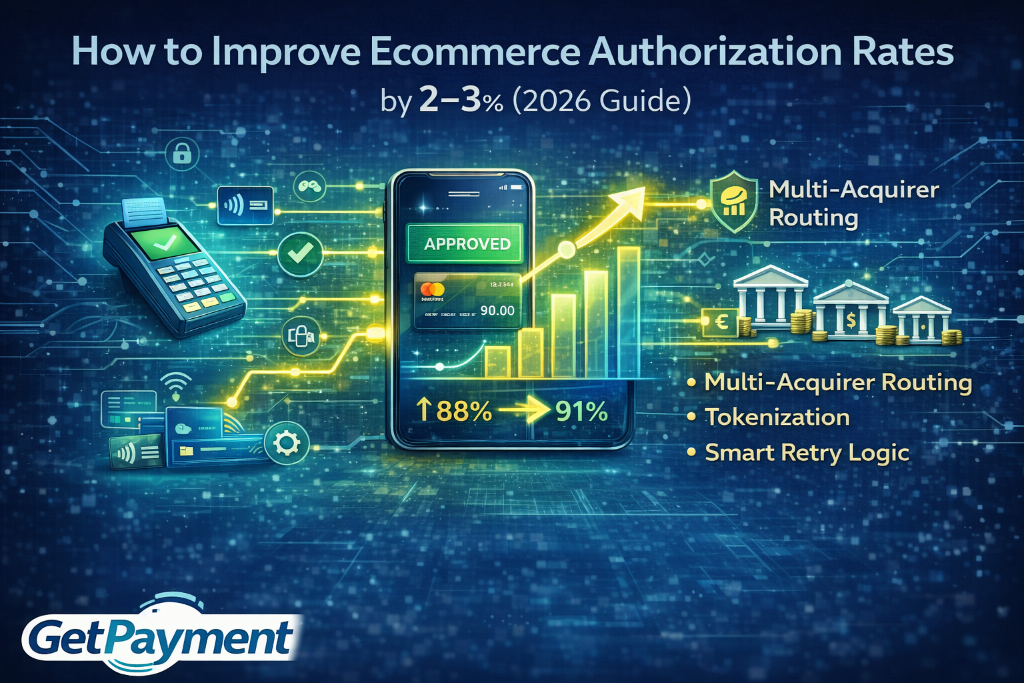 Learn how to improve ecommerce authorisation rates by 2–3% using smarter payment strategies, routing, and infrastructure to unlock more revenue.
✓ Stripe shutdown?
✓ High-risk industry?
✓ Declined payments?
Get approved today.
Apply NowMost ecommerce businesses chase growth through more traffic, better creatives, and higher conversion rates.
Improving your authorisation rate by just 2–3% can dramatically increase revenue without spending more on ads.
Most ecommerce businesses chase growth through more traffic, better creatives, and higher conversion rates.
But there is a much easier win that many overlook.
Improving your authorisation rate by just 2–3% can dramatically increase revenue without spending more on ads.
At scale, that small percentage can mean hundreds of thousands or even millions in additional processed revenue.
The key is understanding why payments fail and how to fix it.
Your authorisation rate is the percentage of payment attempts that are successfully approved by the issuing bank.
If 100 customers attempt to pay and 90 transactions go through, your authorisation rate is 90%.
The remaining 10% are declined, and most businesses simply accept that loss.
But many of those declines are not permanent failures. They are fixable.
At first glance, 2–3% might not seem significant.
But at scale, it compounds quickly.
If you are processing large monthly volume, even a small lift in approvals means:
You are not increasing demand. You are capturing more of the demand you already have.
To improve authorisation rates, you first need to understand why transactions fail.
Common causes include:
Many of these are not customer problems. They are infrastructure problems.
One of the most effective ways to improve authorisation rates is to avoid relying on a single acquirer.
Different banks and processors approve transactions differently.
A transaction declined by one acquirer might be approved by another.
By using multiple acquirers, you can:
This is one of the fastest ways to unlock a 2–3% lift.
Smart routing is where major gains happen.
Instead of sending every transaction through the same path, routing systems choose the best-performing acquirer based on:
This ensures each payment has the highest chance of approval.
Even simple routing improvements can significantly reduce declines.
Network tokenisation is one of the most underutilized tools for improving authorisation rates.
By replacing raw card data with network-issued tokens, transactions carry stronger trust signals.
This leads to:
It also allows automatic card updates, reducing failed transactions caused by expired or replaced cards.
Fraud prevention is necessary, but overly aggressive filters can hurt your business.
Many ecommerce stores unknowingly block legitimate customers.
To improve authorisation rates:
The goal is to stop fraud without blocking revenue.
Cross-border transactions often have lower approval rates.
If you are selling internationally, using local acquiring banks can improve performance.
Local processing helps:
Matching your payment infrastructure to your customer geography is a powerful optimization.
Small details matter more than most businesses realize.
Clear and consistent billing descriptors help issuing banks and customers recognize transactions.
Better transaction data improves approval confidence.
You should ensure:
These subtle changes can reduce unnecessary declines.
If you run subscriptions or continuity offers, failed rebills are a major source of lost revenue.
To improve performance:
Recovering failed rebills alone can significantly improve your overall authorisation rate.
Relying on one processor limits your ability to optimize.
If that processor has issues, your approval rates drop instantly.
A stronger setup includes:
This creates stability and ensures your business can continue processing efficiently.
Improving authorisation rates is not a one-time fix.
It requires ongoing monitoring and optimization.
You should track:
With the right data, you can continuously refine your payment system and unlock incremental gains.
Many ecommerce businesses unknowingly hurt their own performance.
Common mistakes include:
Fixing these alone can lead to immediate improvements.
At GetPayment, we help ecommerce businesses unlock hidden revenue by optimizing their payment systems.
We help you:
Our focus is simple. Help you get more transactions approved.
You do not always need more traffic to grow.
Sometimes, you just need to capture more of the revenue already coming through your checkout.
Improving your authorisation rate by 2–3% is one of the highest-impact changes you can make.
It is not about working harder. It is about building smarter payment systems.
If you want to increase approvals, reduce declines, and unlock more revenue from your existing traffic, GetPayment can help.
Apply today and start improving your ecommerce authorisation rates with a system built for scale.
Tags

Head of Payment Strategy
GetPayment Inc
Jane Harold is a payment strategy expert with 12+ years of experience in high-volume ecommerce payments, merchant account management, and checkout optimization. She has helped hundreds of US ecommerce brands improve authorization rates, reduce processing costs, and scale payment infrastructure.
Payment Strategy Expert
12+ years in industry
Certified Payment Specialist
PCI DSS Level 1 compliance
Merchant Account Advisor
500+ merchants advised
Industry Speaker
Ecommerce & payment conferences
Have questions about payment processing? Reach out to Jane directly.
Years Experience
Merchants Helped
Bank Partners
Satisfaction Rate
GetPayment helps ecommerce merchants increase approval rates with smart routing and high-risk-friendly processors.
High-risk friendly
Multiple processors
Global coverage
See exactly how much you're overpaying in processing fees. Our experts analyze your statement and show you potential savings.
Request Free AuditExplore the complete guide for this topic with deeper insights and strategies.
View Guide →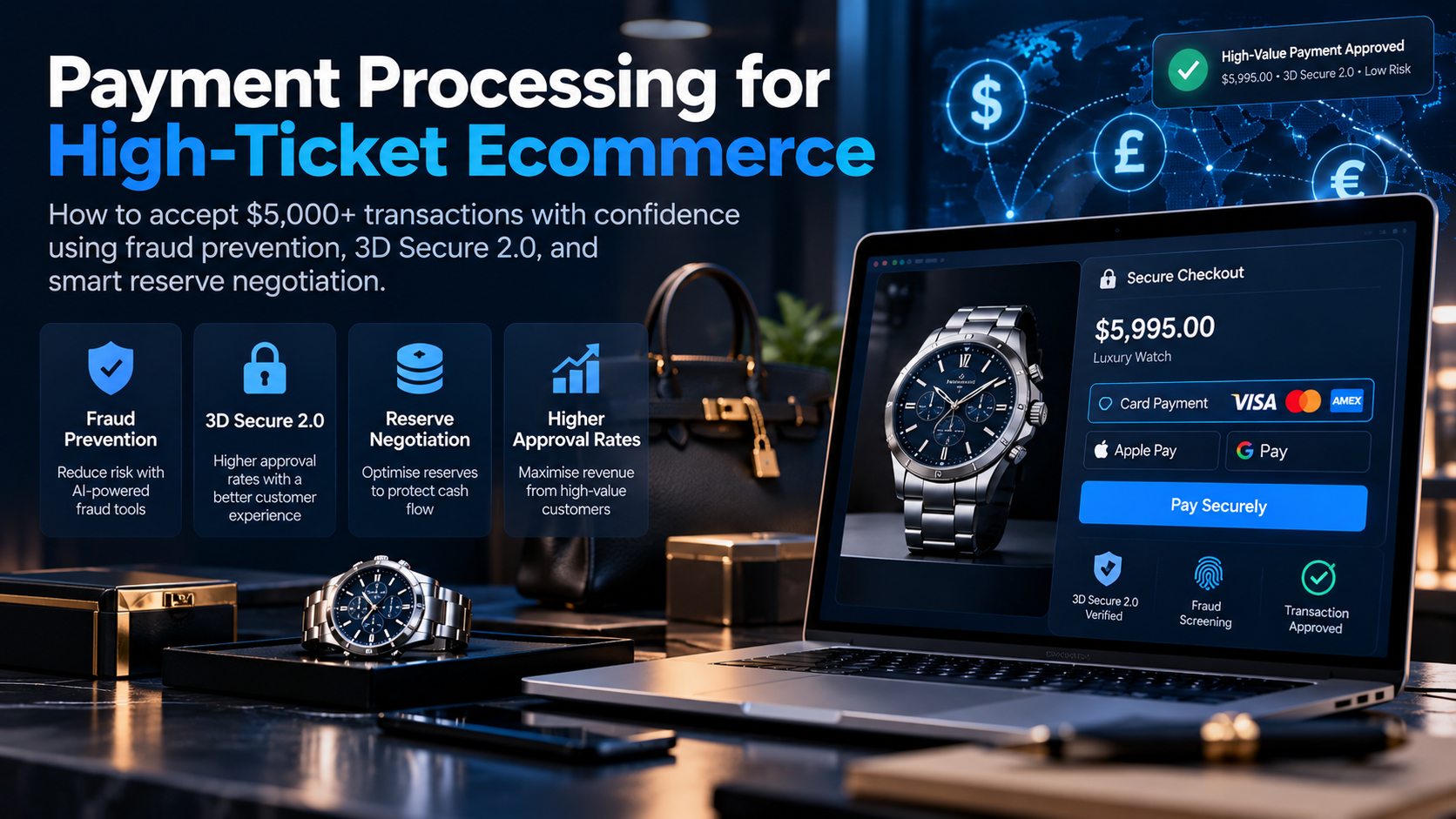
High-ticket ecommerce (furniture, electronics, B2B, luxury) faces unique payment challenges: fraud risk, chargeback exposure, and processor limits. Here is how to handle it.
Read More →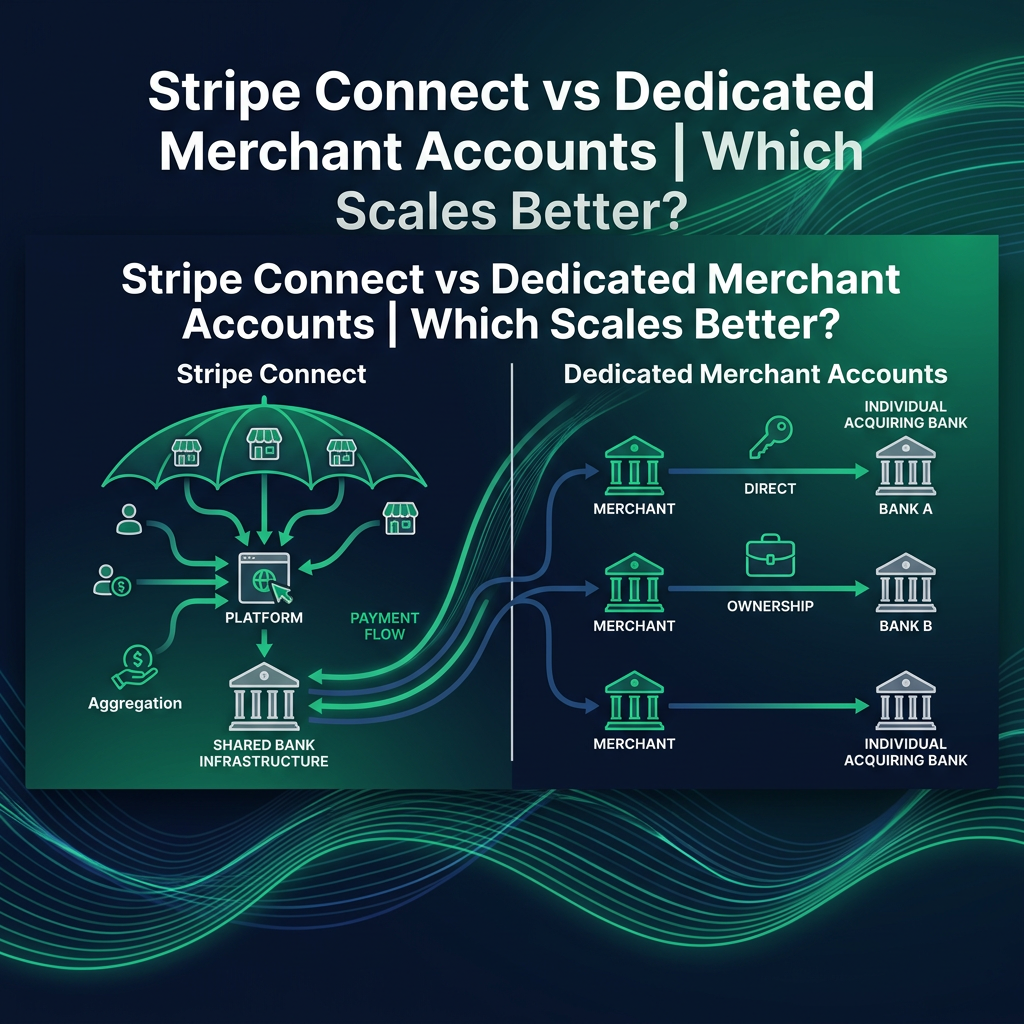
Compare Stripe Connect vs dedicated merchant accounts to understand which payment model offers better scalability, control, and stability for growing platforms and ecommerce businesses.
Read More →