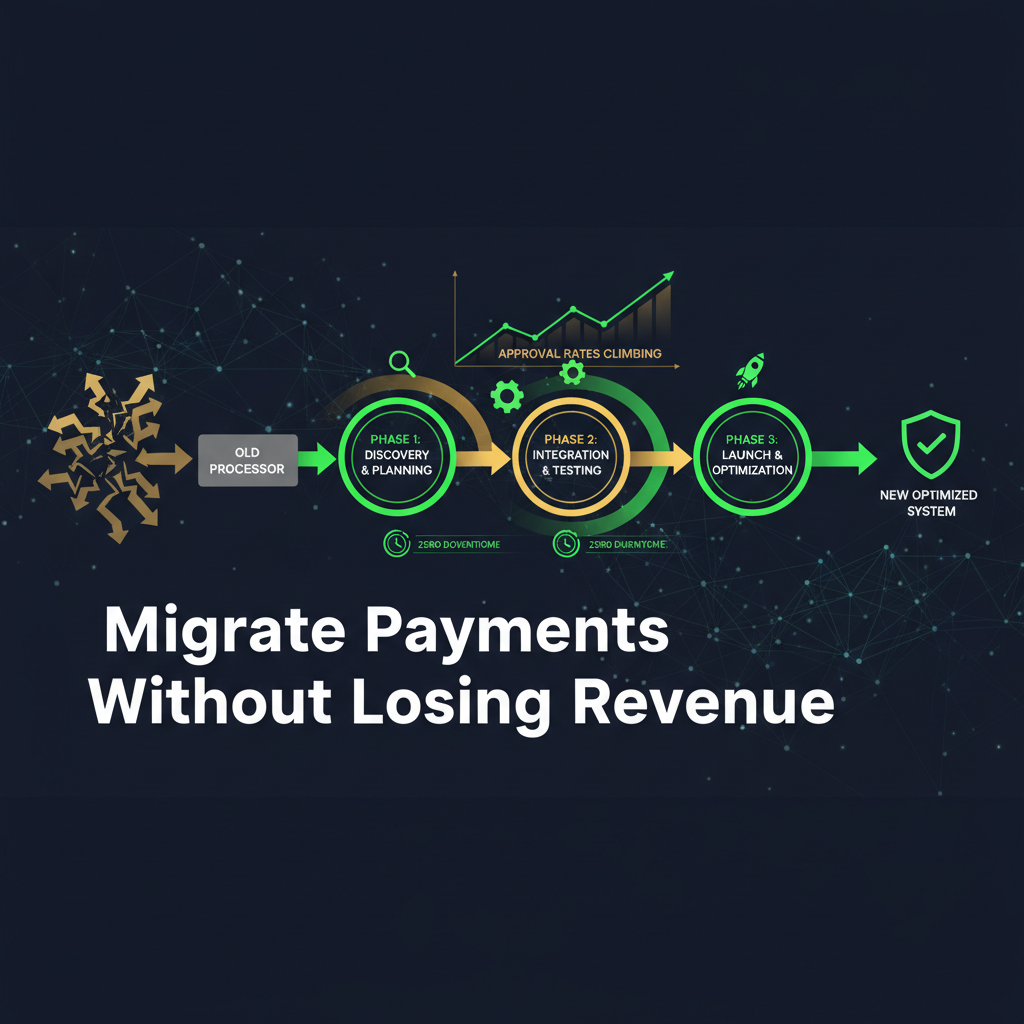
 Learn how to migrate payment processors with a step-by-step timeline to avoid downtime, reduce risk, and maintain revenue during the transition.
Need Payment Processing?
✓ Stripe shutdown?
✓ High-risk industry?
✓ Declined payments?
Get approved today.
Apply NowKey Takeaways
Switching payment providers is one of the most critical operations in ecommerce.
- Increase approval rates - Reduce processing costs - Improve scalability - Strengthen payment stability
- ✓Increase approval rates
- ✓Reduce processing costs
- ✓Improve scalability
- ✓Strengthen payment stability
- ✓Reduce approvals
Introduction: Payment Migration Is High Risk If Done Wrong
Switching payment providers is one of the most critical operations in ecommerce.
Done correctly, it can:
- Increase approval rates
- Reduce processing costs
- Improve scalability
- Strengthen payment stability
Done poorly, it can:
- Cause downtime
- Reduce approvals
- Break checkout flows
- Lose significant revenue
This is why having a clear payment processing migration timeline is essential.
Because payment migrations are not just technical.
They are operational, financial, and strategic.
Why Businesses Migrate Payment Providers
Most businesses do not migrate without reason.
Common triggers include:
- Declining approval rates
- High processing costs
- Account instability or risk issues
- Scaling beyond current provider capabilities
- Expanding into new regions
Migration is usually driven by growth.
But growth increases the complexity of the transition.
The Biggest Risks in Payment Migration
Before planning your migration, you need to understand the risks.
These include:
- Transaction failures during cutover
- Loss of recurring billing continuity
- Integration issues
- Increased decline rates
- Customer experience disruptions
The goal of your timeline is to eliminate or minimize these risks.
Overview: The Ideal Migration Timeline
A successful migration typically happens over several phases:
- Planning and strategy
- Integration and setup
- Testing and validation
- Gradual rollout
- Full transition and optimization
Each phase is critical.
Skipping steps increases risk.
Phase 1: Planning and Strategy (4–8 Weeks Before Migration)
The planning phase sets the foundation.
You should:
- Define migration goals
- Identify key stakeholders
- Audit your current payment setup
- Map dependencies across systems
You also need to decide:
- Which providers you are moving to
- Whether you will use multiple acquirers
- How routing will be structured
A clear strategy prevents confusion later.
Audit Your Existing Payment Stack
Before migrating, you must understand your current system.
You should review:
- Gateways and processors
- Payment methods
- Subscription systems
- Fraud tools
- Reporting systems
This ensures nothing is missed during migration.
Define Success Metrics
You need to know what success looks like.
Key metrics include:
- Approval rates
- Decline rates
- Processing costs
- Checkout conversion rates
These will help you measure the impact of your migration.
Phase 2: Integration and Setup (3–6 Weeks Before Migration)
Once planning is complete, you begin integration.
This includes:
- Setting up new payment providers
- Integrating APIs
- Configuring gateways
- Implementing routing logic
This phase is technical but critical.
Poor integration leads to failures later.
Implement Multi-Acquirer Architecture
If you are upgrading your system, this is the time to implement:
- Multiple acquiring partners
- Smart routing logic
- Failover systems
This ensures your new setup is optimized from day one.
Configure Fraud and Risk Systems
Fraud systems must be aligned with your new setup.
You should:
- Recreate or improve fraud rules
- Test risk scoring
- Balance fraud and conversion
Fraud misconfiguration can cause unnecessary declines.
Phase 3: Testing and Validation (2–3 Weeks Before Migration)
Testing is one of the most important phases.
You should test:
- End-to-end payment flows
- API performance
- Gateway responsiveness
- Processor approvals
Testing should simulate real-world conditions.
Load Testing the New System
You should test how your new system performs under load.
This includes:
- High transaction volumes
- Peak traffic scenarios
- API latency
This ensures your system can handle real demand.
Validate Subscription and Recurring Payments
If you run subscriptions, this is critical.
You must ensure:
- Payment tokens are migrated correctly
- Recurring billing continues without interruption
- Retry logic is functioning
Subscription failures can lead to churn.
Phase 4: Gradual Rollout (1–2 Weeks Before Full Migration)
You should never switch everything at once.
Instead, use a phased rollout.
This involves:
- Routing a small percentage of traffic to the new system
- Monitoring performance closely
- Gradually increasing volume
This reduces risk and allows for adjustments.
Monitor Key Metrics During Rollout
During rollout, you should track:
- Approval rates
- Decline reasons
- Error rates
- Checkout performance
Any issues should be addressed immediately.
Optimize Routing and Performance
As you gather data, you can:
- Adjust routing logic
- Optimize acquirer selection
- Improve performance
This ensures your system is fully optimized before full migration.
Phase 5: Full Migration and Cutover
Once testing and rollout are successful, you can complete the migration.
This involves:
- Routing all traffic to the new system
- Disabling old providers (gradually if needed)
- Monitoring performance closely
This is the most sensitive phase.
Avoiding Downtime During Cutover
To prevent downtime, you should:
- Maintain redundancy
- Keep fallback providers active
- Monitor systems in real time
A seamless transition is critical.
Phase 6: Post-Migration Optimization
Migration is not the end.
It is the beginning of optimization.
You should:
- Analyze performance data
- Improve routing logic
- Reduce costs
- Enhance approval rates
Continuous optimization drives long-term value.
Common Migration Mistakes
Many businesses encounter issues due to avoidable mistakes.
Common errors include:
- Migrating too quickly
- Skipping testing
- Not using a phased rollout
- Ignoring subscription continuity
- Failing to monitor performance
Avoiding these mistakes is critical.
Special Considerations for High-Volume Merchants
High-volume businesses face additional challenges.
These include:
- Larger transaction volumes
- Greater financial impact of errors
- More complex infrastructure
For these businesses, careful planning is essential.
Multi-Platform Migration Challenges
If you operate across multiple platforms, migration becomes more complex.
You need to:
- Synchronize integrations
- Maintain consistency across systems
- Ensure unified reporting
A centralized strategy helps manage complexity.
The Financial Impact of a Successful Migration
When done correctly, migration can lead to:
- Higher approval rates
- Lower processing costs
- Improved customer experience
- Greater scalability
At scale, these improvements can be substantial.
How GetPayment Helps You Migrate Safely
At GetPayment, we help ecommerce businesses migrate their payment systems without losing revenue.
We help you:
- Plan and execute migration timelines
- Implement multi-acquirer setups
- Optimize routing and approvals
- Reduce risk and downtime
- Build scalable payment infrastructure
Our goal is to make migration smooth and profitable.
Final Thoughts: Migration Is a Growth Opportunity
Payment migration is often seen as a risk.
But it is also an opportunity.
An opportunity to:
- Improve performance
- Reduce costs
- Build a better system
The businesses that approach migration strategically are the ones that gain the most.
Ready to migrate smarter? If you are planning to migrate your payment system and want to avoid risk while improving performance, GetPayment can help. Apply today to build a migration strategy designed for success.
FAQ: Payment Processing Migration
How long does a payment migration take?
Typically between 4 to 8 weeks, depending on complexity and scale.
What is the biggest risk during migration?
Transaction failures and downtime, which can lead to lost revenue.
Should I switch providers all at once?
No. A gradual rollout reduces risk and allows for optimization.
Can I migrate without affecting customers?
Yes, with proper planning and testing, the transition can be seamless.
What happens to subscription payments during migration?
They must be carefully migrated to ensure continuity and avoid churn.
Do I need multiple payment providers?
Using multiple providers improves resilience and performance.
Can migration improve approval rates?
Yes. Optimized setups often lead to higher approval rates and better performance.
Tags

Jane Harold
Head of Payment Strategy
GetPayment Inc
Jane Harold is a payment strategy expert with 12+ years of experience in high-volume ecommerce payments, merchant account management, and checkout optimization. She has helped hundreds of US ecommerce brands improve authorization rates, reduce processing costs, and scale payment infrastructure.
Areas of Expertise
Payment Strategy Expert
12+ years in industry
Certified Payment Specialist
PCI DSS Level 1 compliance
Merchant Account Advisor
500+ merchants advised
Industry Speaker
Ecommerce & payment conferences
Get Expert Advice
Have questions about payment processing? Reach out to Jane directly.
Years Experience
Merchants Helped
Bank Partners
Satisfaction Rate
Recover Revenue From Payment Declines
GetPayment helps ecommerce merchants increase approval rates with smart routing and high-risk-friendly processors.
High-risk friendly
Multiple processors
Global coverage
Get Your Free Payment Fee Audit
See exactly how much you're overpaying in processing fees. Our experts analyze your statement and show you potential savings.
Request Free AuditLearn more in our Payment Infrastructure & Platforms Guide
Explore the complete guide for this topic with deeper insights and strategies.
View Guide →Related Articles
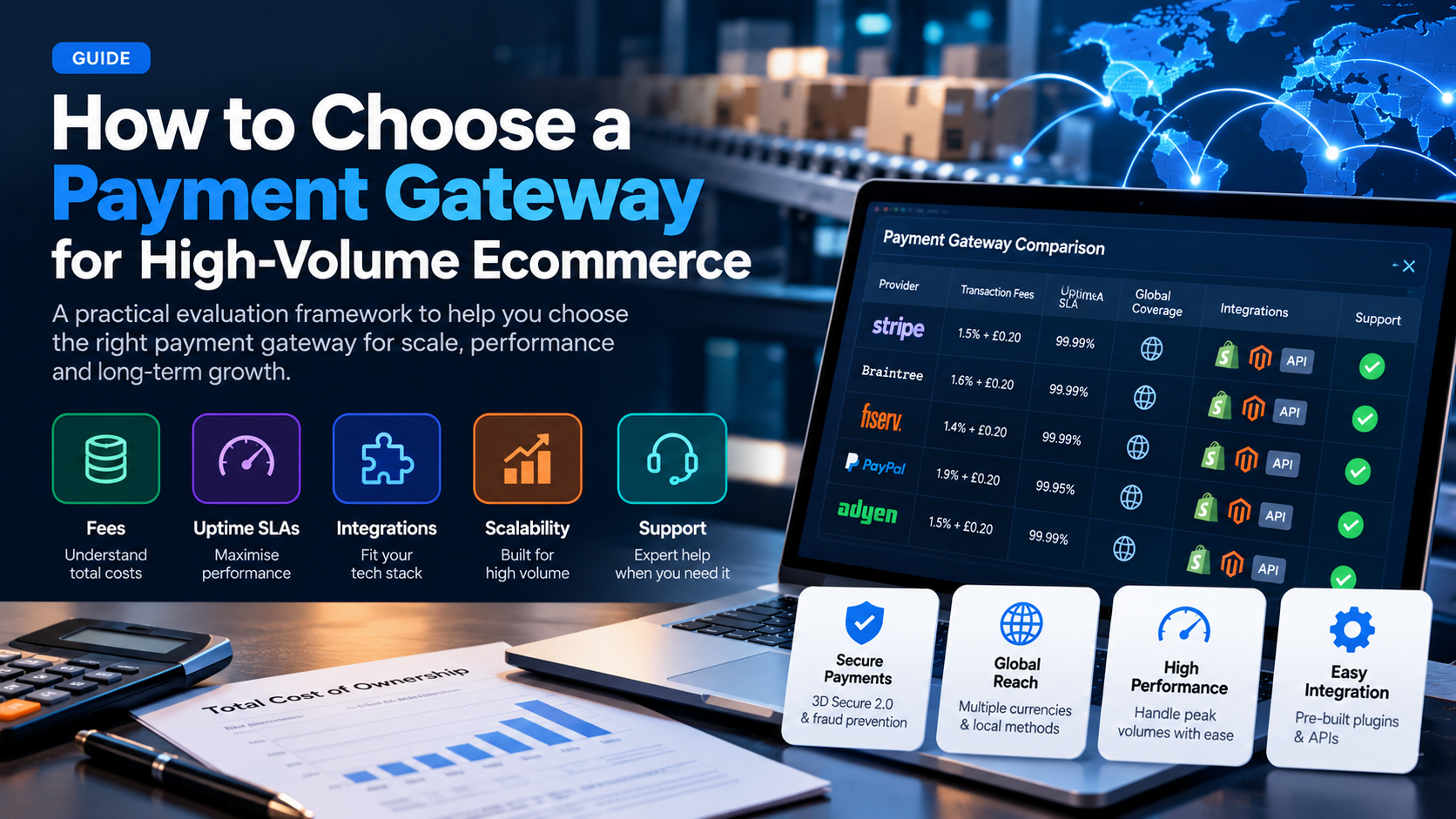
How to Choose a Payment Gateway for High-Volume Ecommerce (2026 Guide)
A practical framework for evaluating payment gateways when you process $50k+ per month: fees, uptime, integrations, scalability, and support.
Read More →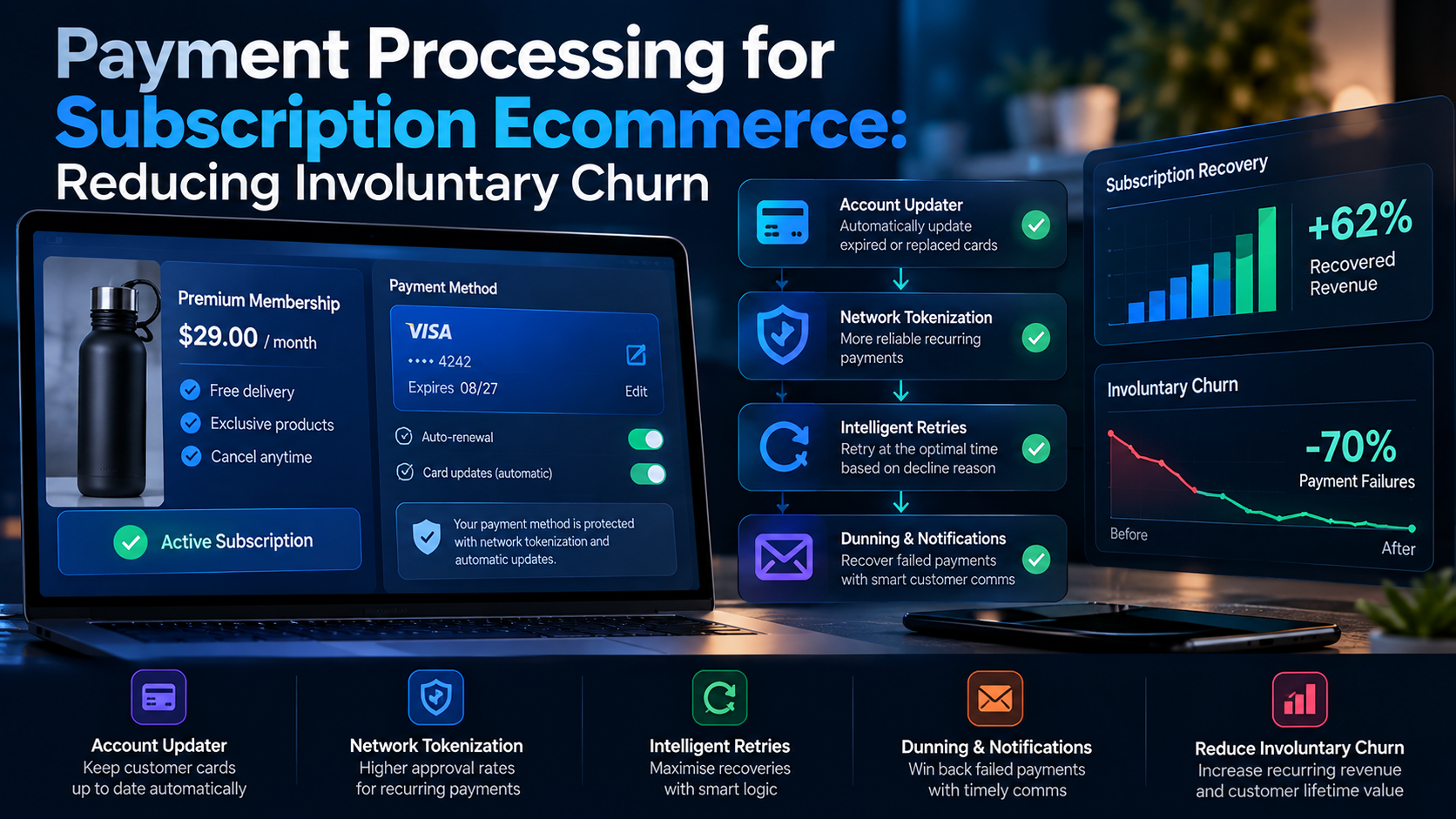
Payment Processing for Subscription Ecommerce: Reducing Involuntary Churn (2026 Guide)
Involuntary churn from failed payments costs subscription businesses 20-40% of revenue. Here is how to fix declined cards, update expired cards, and retain subscribers.
Read More →