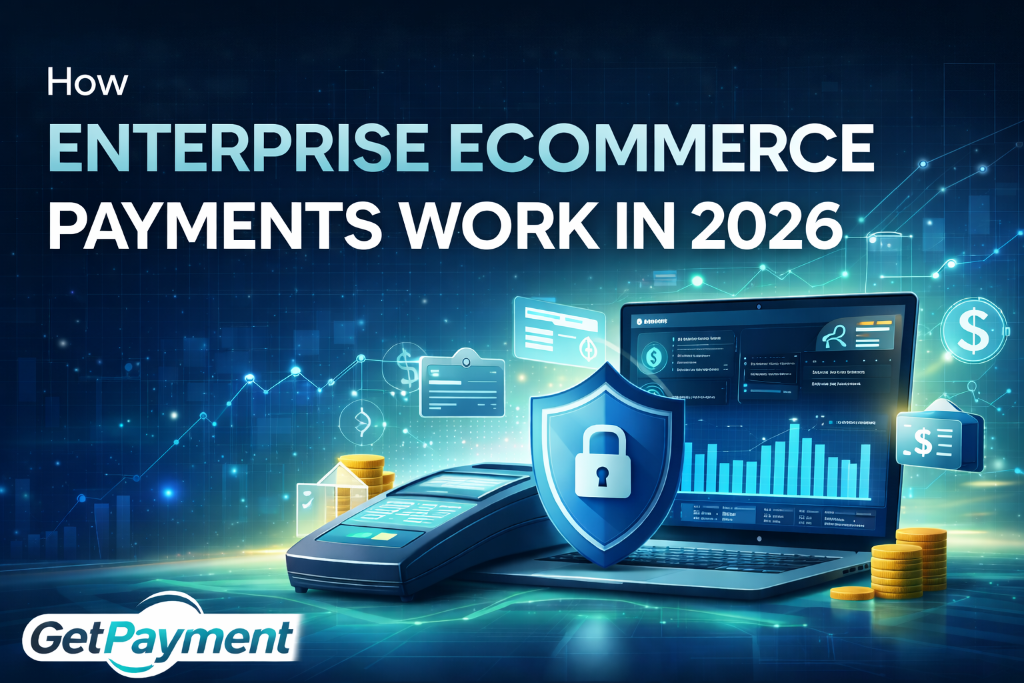
 Enterprise ecommerce payment processing diagram showing payment gateways, acquiring banks, fraud detection systems, and transaction routing used by large online stores.
Need Payment Processing?
✓ Stripe shutdown?
✓ High-risk industry?
✓ Declined payments?
Get approved today.
Apply NowKey Takeaways
Enterprise ecommerce payments are significantly more complex than the payment systems used by small online stores. As businesses scale and begin processing hundreds of thousands or even millions of dollars in transactions each month, payment infrastructure must become more sophisticated.
Large ecommerce brands must manage payment approvals, fraud prevention, cross-border payments, payment routing, and processor pricing simultaneously. If these systems are not optimized, merchants can lose substantial revenue through declined transactions, high processing fees, or technical payment failures.
- ✓payment gateways
- ✓merchant accounts
- ✓payment processors
- ✓fraud detection tools
- ✓tokenization systems
Enterprise ecommerce payments are significantly more complex than the payment systems used by small online stores. As businesses scale and begin processing hundreds of thousands or even millions of dollars in transactions each month, payment infrastructure must become more sophisticated.
Large ecommerce brands must manage payment approvals, fraud prevention, cross-border payments, payment routing, and processor pricing simultaneously. If these systems are not optimized, merchants can lose substantial revenue through declined transactions, high processing fees, or technical payment failures.
Enterprise payment systems are designed to provide scalability, reliability, and performance for high-volume online stores. Instead of relying on a single payment provider, enterprise merchants often use a combination of gateways, processors, fraud tools, and routing technology to ensure transactions are processed efficiently.
This guide explains how enterprise ecommerce payments work, the technology behind them, and the strategies large merchants use to optimize payment performance.
What Enterprise Ecommerce Payments Are
Enterprise ecommerce payments refer to the infrastructure used by large online businesses to process digital transactions at scale.
Unlike small ecommerce stores that typically rely on a single payment provider, enterprise merchants use multi-layered payment systems designed for performance and redundancy.
Enterprise payment systems usually include:
- payment gateways
- merchant accounts
- acquiring banks
- payment processors
- fraud detection tools
- tokenization systems
- payment routing infrastructure
These systems work together to process transactions quickly and securely while maximizing approval rates.
Enterprise ecommerce merchants often process thousands of transactions per hour, which means their payment infrastructure must be reliable, fast, and capable of handling heavy traffic.
Why Enterprise Payment Infrastructure Matters
Payment infrastructure directly affects ecommerce revenue.
Even small inefficiencies in payment systems can cause lost sales, failed transactions, or poor checkout experiences.
For example, if a payment processor declines legitimate transactions due to risk scoring or geographic limitations, merchants may lose customers during checkout.
High processing fees can also reduce profit margins for large ecommerce businesses.
Enterprise payment systems help merchants:
- increase authorization rates
- reduce payment processing costs
- prevent fraudulent transactions
- support global payment acceptance
- maintain reliable checkout performance
For high-volume ecommerce brands, optimizing payment systems can generate millions of dollars in additional revenue.
The Enterprise Payment Processing Flow
When a customer submits a payment online, several systems work together behind the scenes to process the transaction.
The process typically follows these steps.
First, the customer enters payment information during checkout.
Next, the ecommerce platform sends the payment request to the payment gateway.
The gateway encrypts the payment data and forwards it to a payment processor.
The processor communicates with the acquiring bank that manages the merchant's payment account.
The acquiring bank sends the transaction request through the card network, such as Visa or Mastercard.
The issuing bank reviews the transaction and decides whether to approve or decline the payment.
If approved, the payment is authorized and later captured and settled to the merchant's bank account.
Although this process happens within seconds, each stage can influence transaction success rates.
Key Components of Enterprise Payment Systems
Enterprise payment infrastructure is made up of several critical components that work together to process transactions.
Payment Gateways
A payment gateway acts as the secure connection between the ecommerce checkout and the payment processor.
Gateways encrypt payment information and transmit transaction requests.
They also manage tokenization and integrate with ecommerce platforms.
Enterprise merchants often choose gateways that support advanced features such as payment routing and tokenization.
Merchant Accounts
Merchant accounts are specialized bank accounts that allow businesses to accept credit and debit card payments.
Large ecommerce merchants typically use dedicated merchant accounts, which provide greater control over payment processing and pricing.
Dedicated accounts also allow merchants to negotiate processing fees directly with acquiring banks.
Acquiring Banks
Acquiring banks manage merchant accounts and process card transactions.
They act as intermediaries between the merchant and card networks.
Different acquiring banks may have different approval rates depending on geographic factors and risk policies.
Enterprise merchants often use multiple acquiring banks to improve payment success rates.
Payment Processors
Payment processors manage communication between payment gateways, acquiring banks, and card networks.
They handle transaction authorization, settlement, and reconciliation.
Choosing the right processor is important for ensuring payment reliability and competitive pricing.
Fraud Detection Systems
Fraud prevention tools analyze transactions to identify suspicious behavior.
These systems evaluate factors such as:
- device information
- purchase history
- IP address
- location data
- transaction patterns
Machine learning fraud systems help merchants prevent fraudulent transactions while minimizing false declines.
Balancing fraud protection with customer experience is essential for enterprise ecommerce merchants.
Tokenization and Payment Security
Tokenization replaces sensitive card data with secure tokens.
These tokens allow merchants to store payment credentials safely without exposing card numbers.
Network tokenization, supported by card networks like Visa and Mastercard, can improve payment approval rates and reduce fraud.
Tokenization also simplifies PCI compliance requirements for ecommerce merchants.
Multi-Acquirer Payment Strategies
One major advantage enterprise merchants have is the ability to use multiple acquiring banks.
This strategy is known as multi-acquirer routing.
Instead of sending all transactions to a single processor or bank, merchants route payments dynamically based on factors such as geography, card type, or approval probability.
For example, a transaction from a European customer may be routed through a European acquiring bank, while a US transaction may go through a domestic bank.
This strategy improves authorization rates and reduces cross-border payment costs.
Multi-acquirer setups also provide redundancy in case one processor experiences technical issues.
Improving Payment Authorization Rates
Authorization rates are one of the most important metrics for enterprise ecommerce merchants.
Authorization rate measures the percentage of payment attempts that are approved by issuing banks.
Low authorization rates result in lost revenue because customers cannot complete purchases.
Enterprise merchants improve authorization rates by:
- implementing intelligent payment routing
- using network tokenization
- optimizing fraud detection rules
- monitoring bank decline codes
- partnering with multiple acquiring banks
Even small improvements in authorization rates can produce significant revenue gains for high-volume merchants.
Managing Global Ecommerce Payments
Enterprise ecommerce merchants often sell internationally.
Global payments introduce additional complexity because customers prefer different payment methods depending on their location.
International transactions also involve currency conversion and cross-border processing fees.
Enterprise merchants improve global payment performance by:
- supporting local currencies
- integrating regional payment methods
- using local acquiring banks
- optimizing cross-border payment routing
Localizing the checkout experience helps increase conversion rates for international customers.
Common Enterprise Payment Challenges
Even large ecommerce brands face several payment-related challenges.
One challenge is maintaining high authorization rates across multiple geographic regions.
Different issuing banks have different risk policies, which can affect transaction approval rates.
Another challenge is managing fraud without blocking legitimate customers.
False declines can damage customer experience and reduce conversion rates.
Enterprise merchants must also manage payment infrastructure complexity.
Multiple gateways, processors, and fraud tools require careful integration and monitoring.
Best Practices for Enterprise Ecommerce Payments
Successful enterprise ecommerce merchants follow several best practices to optimize payment systems.
First, they monitor payment performance metrics such as authorization rates, decline codes, and fraud rates.
Second, they implement multi-acquirer routing to improve transaction approvals.
Third, they use tokenization and secure payment storage to reduce fraud and improve checkout performance.
Fourth, they regularly audit payment processing fees to ensure pricing remains competitive.
Finally, they invest in scalable payment infrastructure capable of handling high transaction volumes during peak events.
Payment optimization is an ongoing process that evolves as ecommerce businesses grow.
FAQs
What are enterprise ecommerce payments?
Enterprise ecommerce payments refer to the payment systems used by large online businesses to process high transaction volumes through advanced payment infrastructure.
Why do enterprise merchants use multiple payment processors?
Using multiple processors allows merchants to route transactions intelligently and improve payment approval rates.
What is the most important payment metric for ecommerce merchants?
Authorization rate is one of the most important metrics because it determines how many payment attempts successfully convert into completed transactions.
How do enterprise merchants reduce payment processing costs?
They negotiate custom pricing agreements, use interchange-based pricing models, and optimize payment routing across acquiring banks.
Conclusion
Enterprise ecommerce payments require sophisticated infrastructure designed to handle large transaction volumes while maintaining high performance and reliability.
By combining payment gateways, acquiring banks, fraud detection systems, and intelligent payment routing, enterprise merchants can create payment systems that maximize approval rates and minimize processing costs.
For high-volume ecommerce brands, optimizing payment infrastructure is not just a technical requirement—it is a major driver of revenue growth and operational efficiency.
Request a Free Payment Fee Audit
If your ecommerce business processes $50k+ monthly, our team can review your payment setup and identify opportunities to improve authorization rates, reduce processing costs, and optimize your payment infrastructure.
Request your free payment fee audit
Tags

Jane Harold
Head of Payment Strategy
GetPayment Inc
Jane Harold is a payment strategy expert with 12+ years of experience in high-volume ecommerce payments, merchant account management, and checkout optimization. She has helped hundreds of US ecommerce brands improve authorization rates, reduce processing costs, and scale payment infrastructure.
Areas of Expertise
Payment Strategy Expert
12+ years in industry
Certified Payment Specialist
PCI DSS Level 1 compliance
Merchant Account Advisor
500+ merchants advised
Industry Speaker
Ecommerce & payment conferences
Get Expert Advice
Have questions about payment processing? Reach out to Jane directly.
Years Experience
Merchants Helped
Bank Partners
Satisfaction Rate
Recover Revenue From Payment Declines
GetPayment helps ecommerce merchants increase approval rates with smart routing and high-risk-friendly processors.
High-risk friendly
Multiple processors
Global coverage
Get Your Free Payment Fee Audit
See exactly how much you're overpaying in processing fees. Our experts analyze your statement and show you potential savings.
Request Free AuditRelated Articles
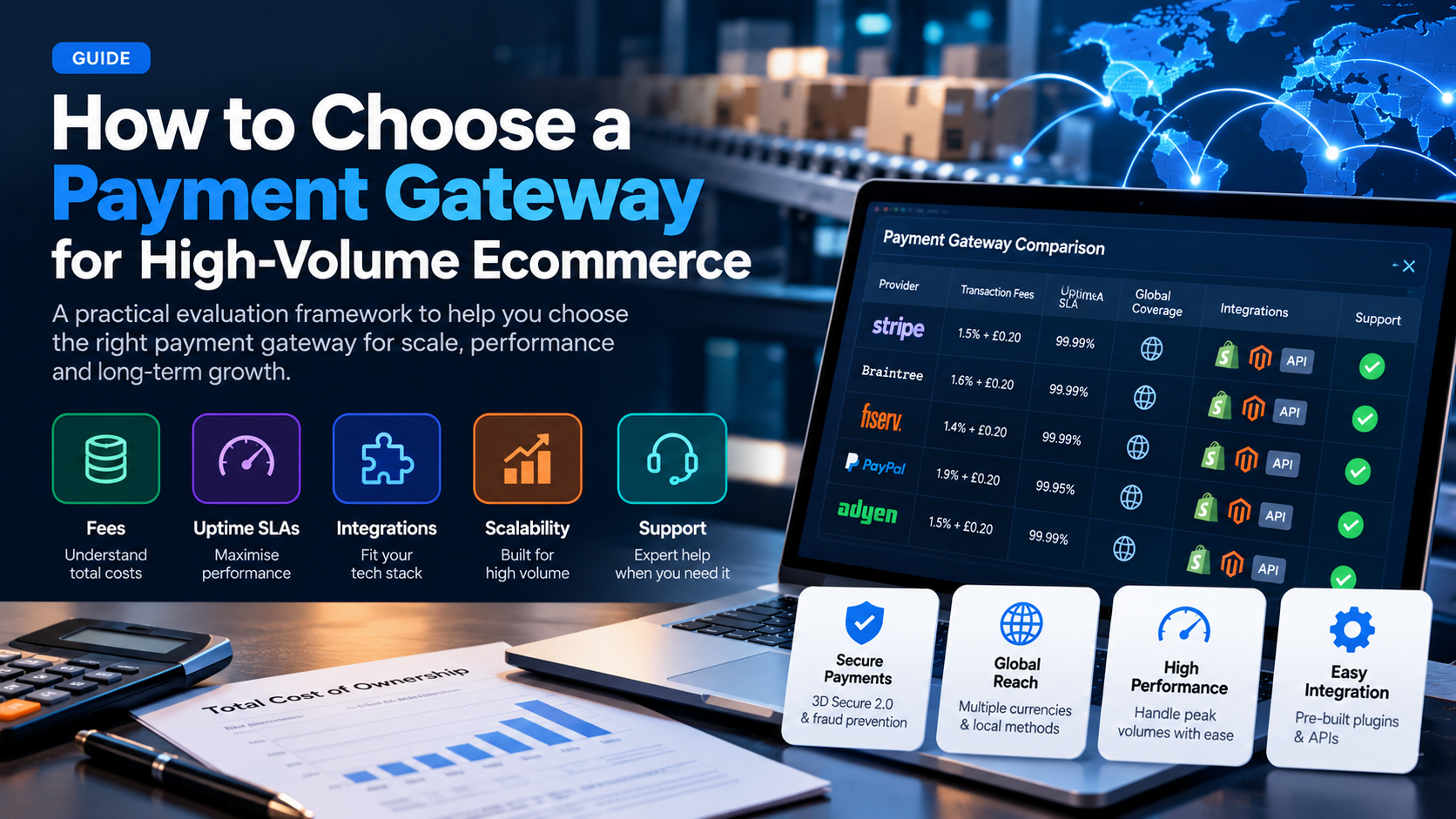
How to Choose a Payment Gateway for High-Volume Ecommerce (2026 Guide)
A practical framework for evaluating payment gateways when you process $50k+ per month: fees, uptime, integrations, scalability, and support.
Read More →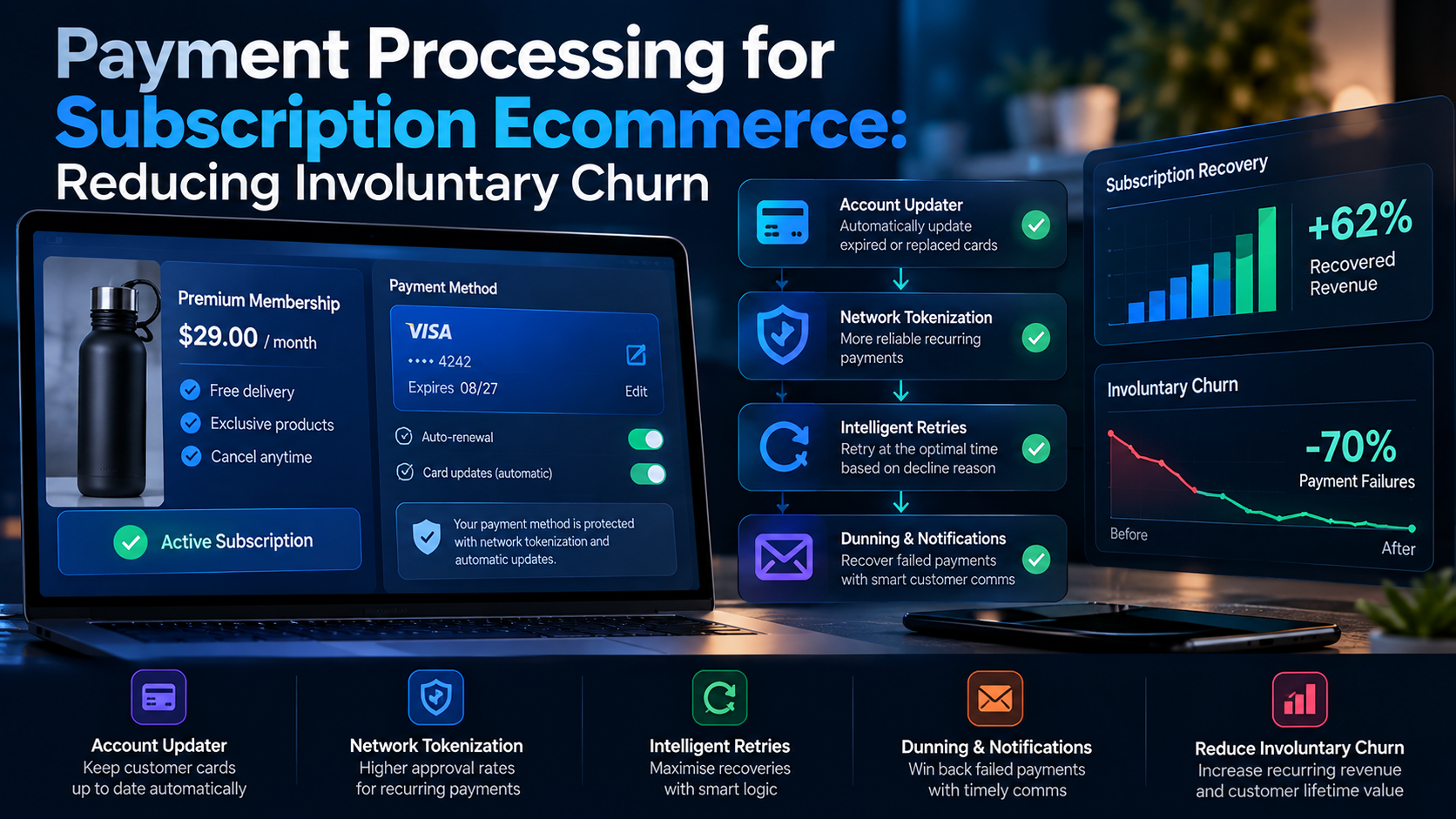
Payment Processing for Subscription Ecommerce: Reducing Involuntary Churn (2026 Guide)
Involuntary churn from failed payments costs subscription businesses 20-40% of revenue. Here is how to fix declined cards, update expired cards, and retain subscribers.
Read More →